👁️ Neuro-Ophthalmology: Understanding the Connection Between Brain & Vision
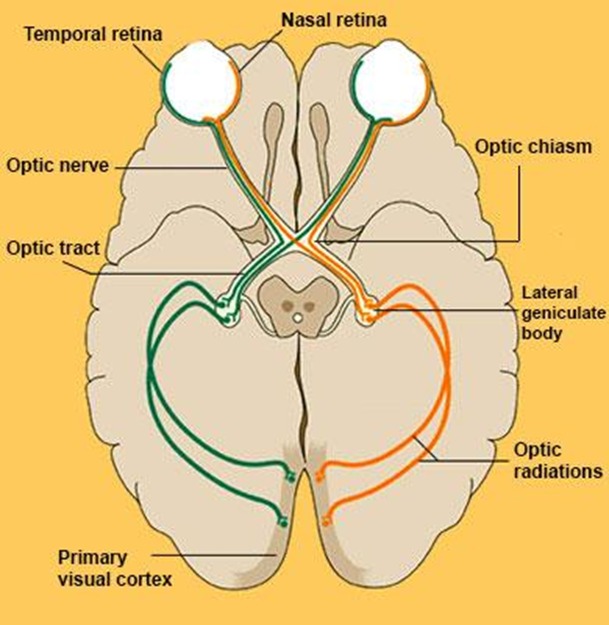
Neuro-ophthalmology is a specialized field that focuses on the connection between the eyes and the brain. It deals with vision problems that are related to the nervous system rather than the eye itself.
This branch helps diagnose and treat conditions where vision issues are caused by problems in the optic nerve, brain, or neurological pathways.
⚠️ Common Neuro-Ophthalmic Conditions
🔹 Optic Neuritis
Inflammation of the optic nerve causing sudden vision loss and pain.
🔹 Papilledema
Swelling of the optic nerve due to increased brain pressure.
🔹 Double Vision (Diplopia)
Seeing two images due to nerve or muscle problems.
🔹 Visual Field Loss
Loss of side vision, often related to brain or nerve issues.
🔹 Ptosis (Drooping Eyelid)
Caused by nerve weakness affecting eyelid muscles.